



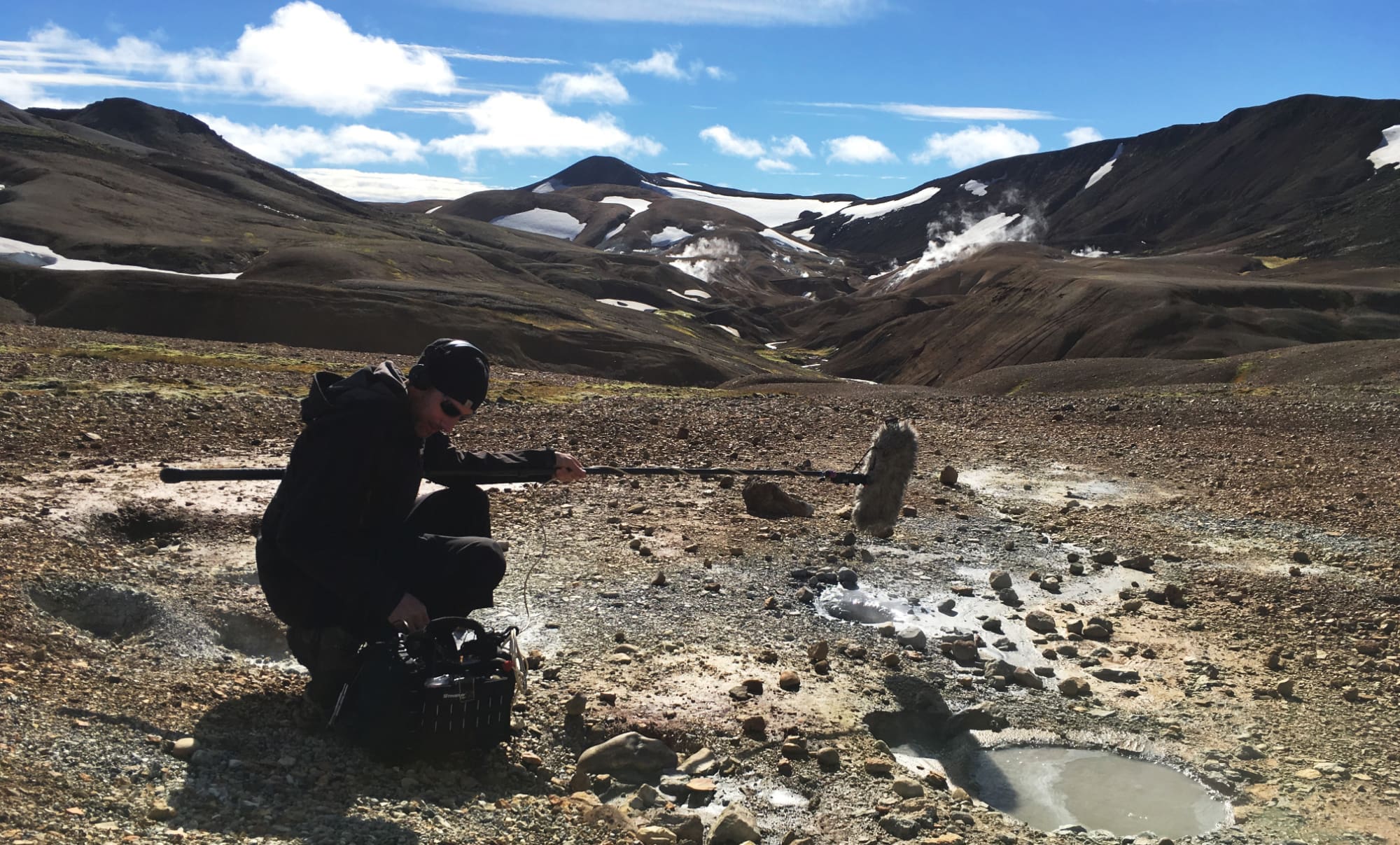

“Isn’t sound one of the most incredible, intricate senses we can experience?…”
For as long as I can remember, sound has shaped my life. A song, a voice, a tone—each moving my story from one chapter to the next. It’s been my greatest pleasure, my obsession and my way of connecting with the world.
There was certainty in a beat, stability in its repetition, a sanctuary from a chaotic, random, and heavy world. Music was my refuge; acoustics, my inspiration.
Sound is alive. You can’t predict it. You can’t control it. It’s endlessly creative, sublimely spontaneous.
Eight billion voices—eight billion expressions of the human soul—emanate from our planet every day, every night, all the time. Quadrillions of sounds, spanning an infinite acoustic texture, happen all at once, breathing the collective tone of our times like a never-ending heartbeat, never pausing as generations come and go.
Imagine hearing that immense diversity of sound at once, if our brains could process it! Perhaps if we could, we’d realize how inextricably linked we are to the chords of our civilization.
Our ancestors heard a very different world. And as we evolve, sound evolves with us, like a sonic mirror reflecting how dependent we are on each other.
It’s mind-blowing! You never know where sound will take you when you really listen.
What’s that sound in the distance? Where’s it coming from? Who are these characters? What are they saying? How are they feeling? Why do they feel that way? What’s their story?
Sound is THE gateway to revealing worlds waiting to be discovered by those truly willing to listen. It’s been a main character in my life, prompting endless curiosity, igniting my imagination, and inviting me to tune into the lives of every living being around me.
Isn’t it incredible we can hear beyond our own bodies? Isn’t it phenomenal to hear into other spaces in an instant?
In this sense, I’ve always been an “acoustic observer,” driven by a fascination to discover who we truly are, to understand where I fit in, and to know my place in this world.
I used to think this kind of listening was passive. Not anymore.
I now realize the act of hearing is integral to how we connect—with the world, with ourselves, and with the story of life itself.
You could spend your life thinking you need to create something tangible to be creative, but through the simple, incredible act of hearing, you’re already participating in life’s boundless creativity. A pattern that comes from silence… and returns to silence. Just like us all.
To me, it’s endlessly intriguing.

Sound eventually became my life’s work…
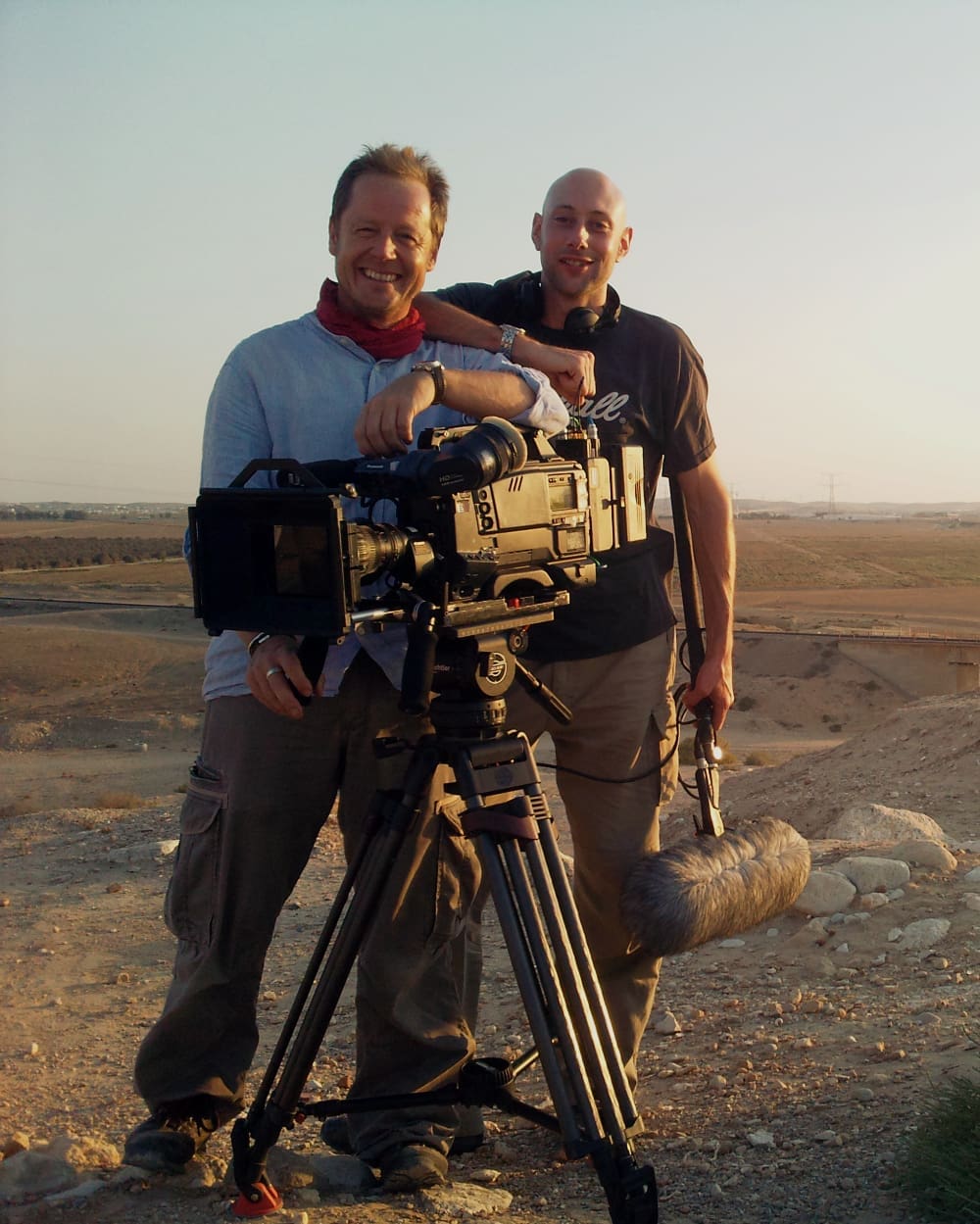
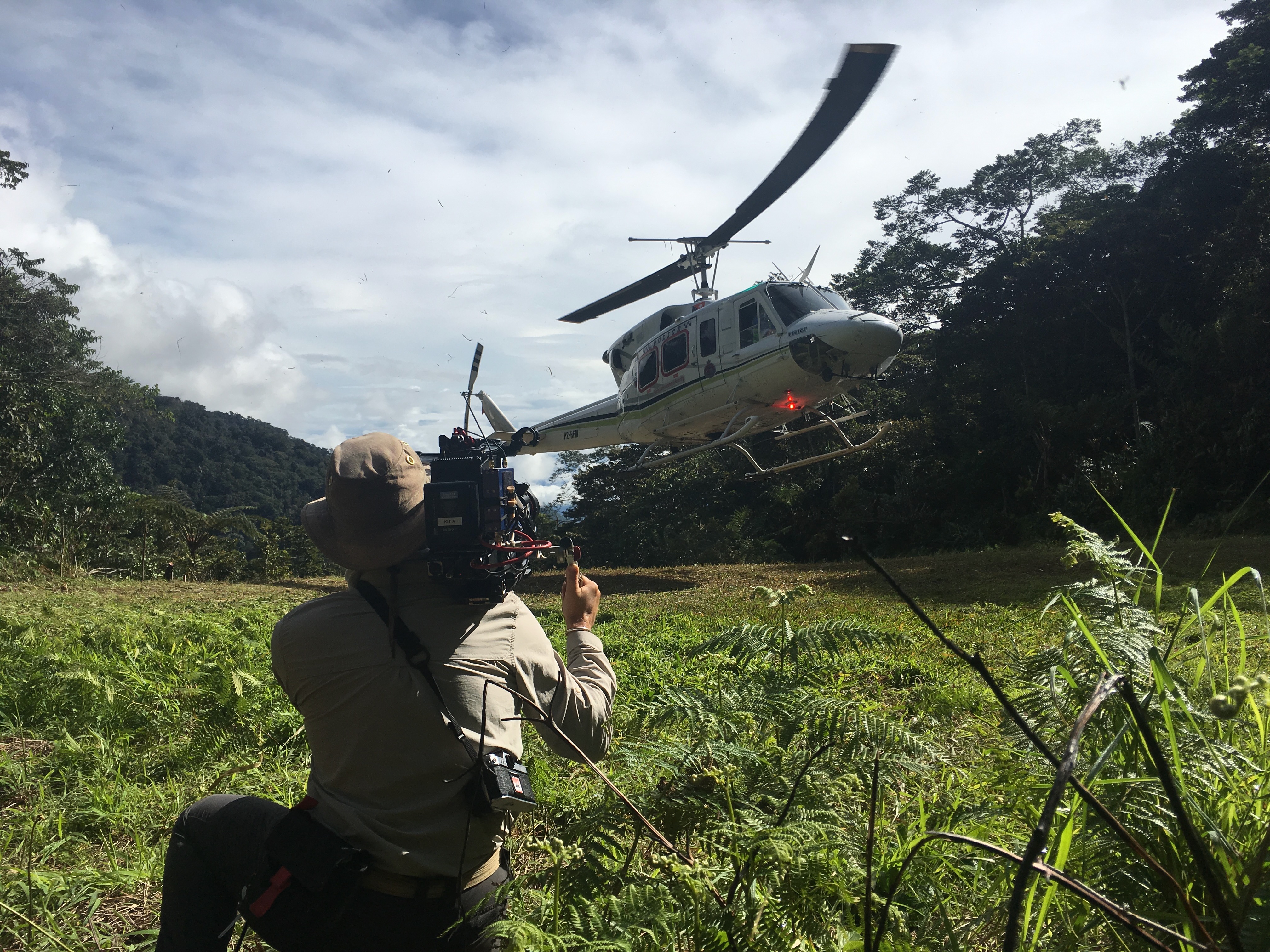
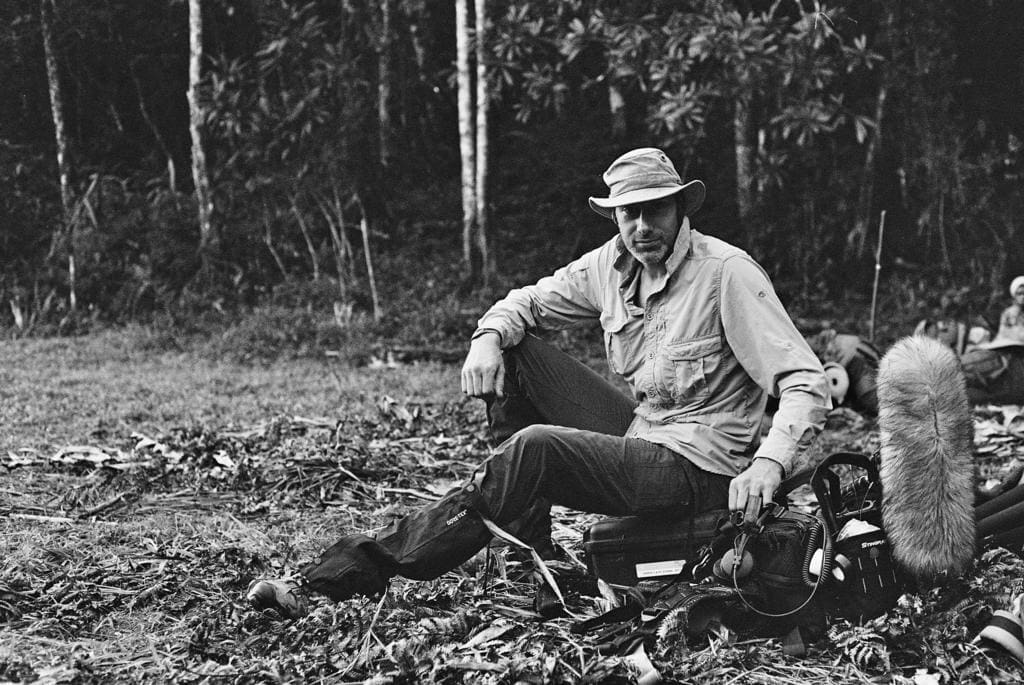
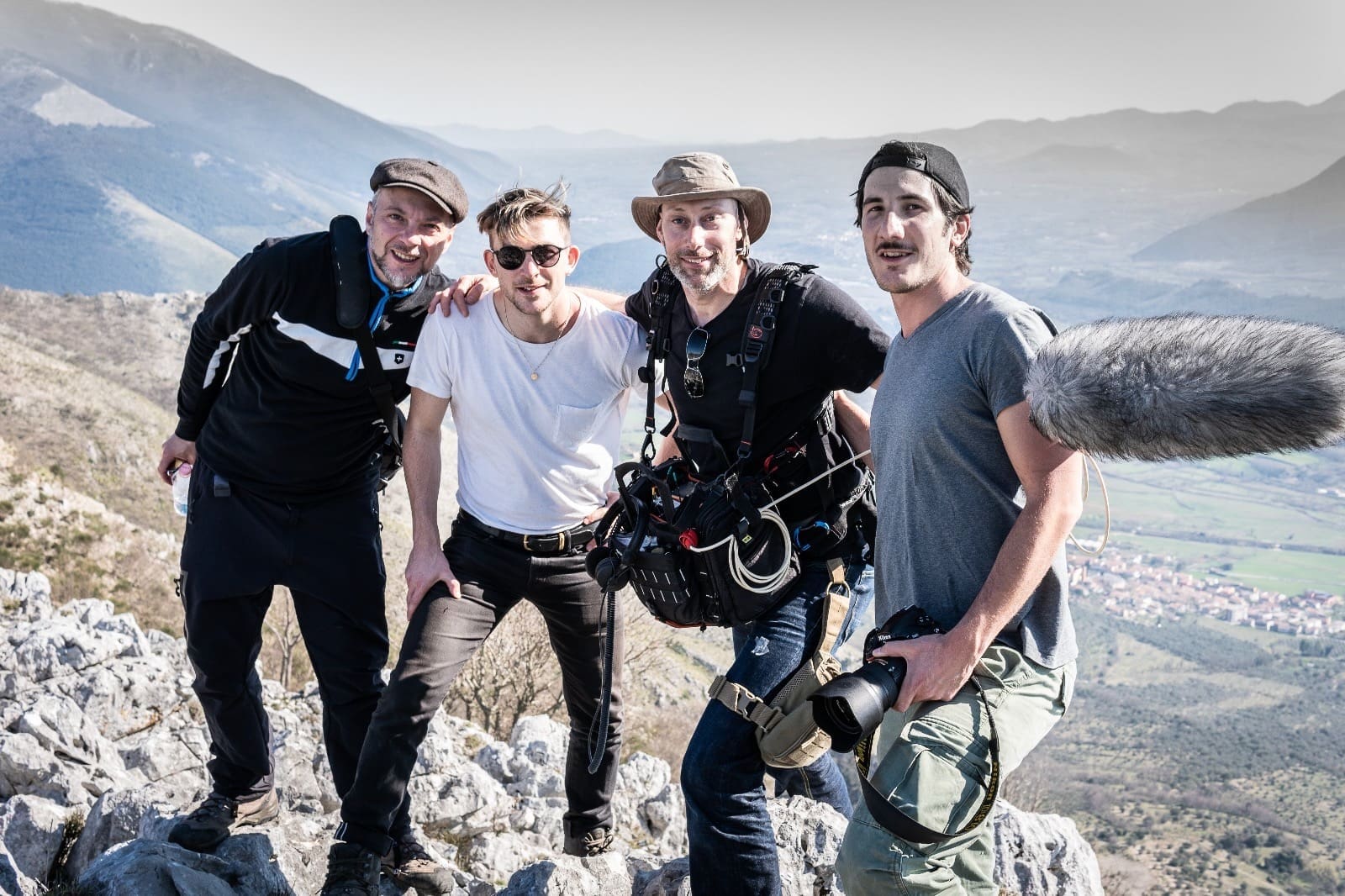
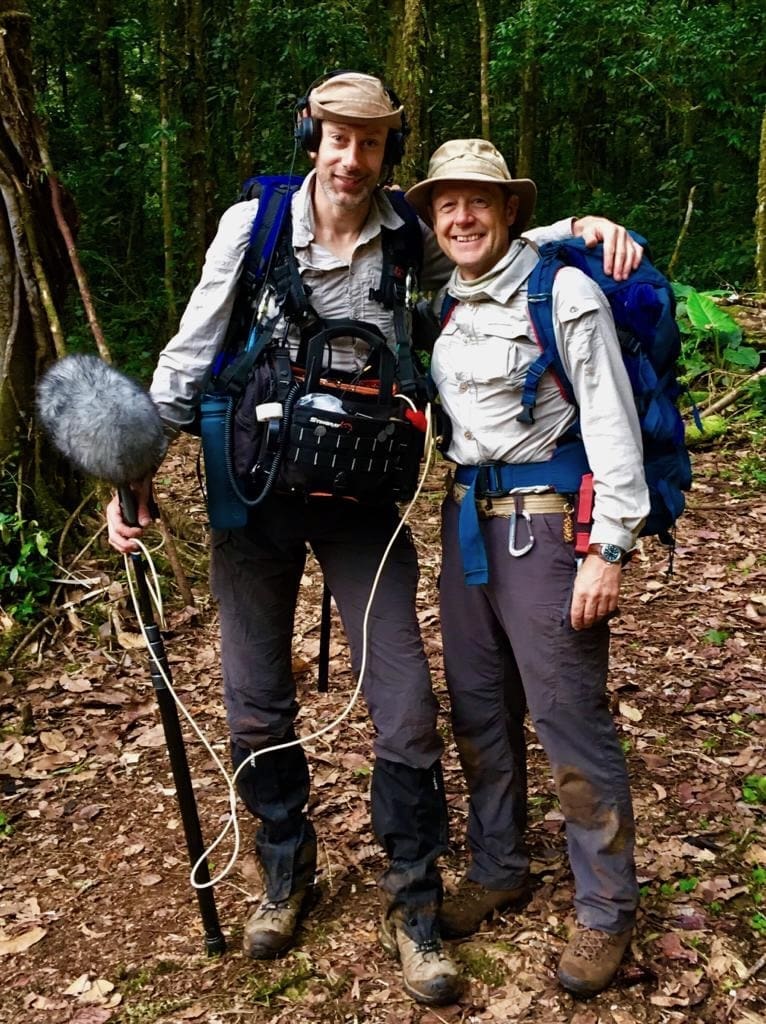
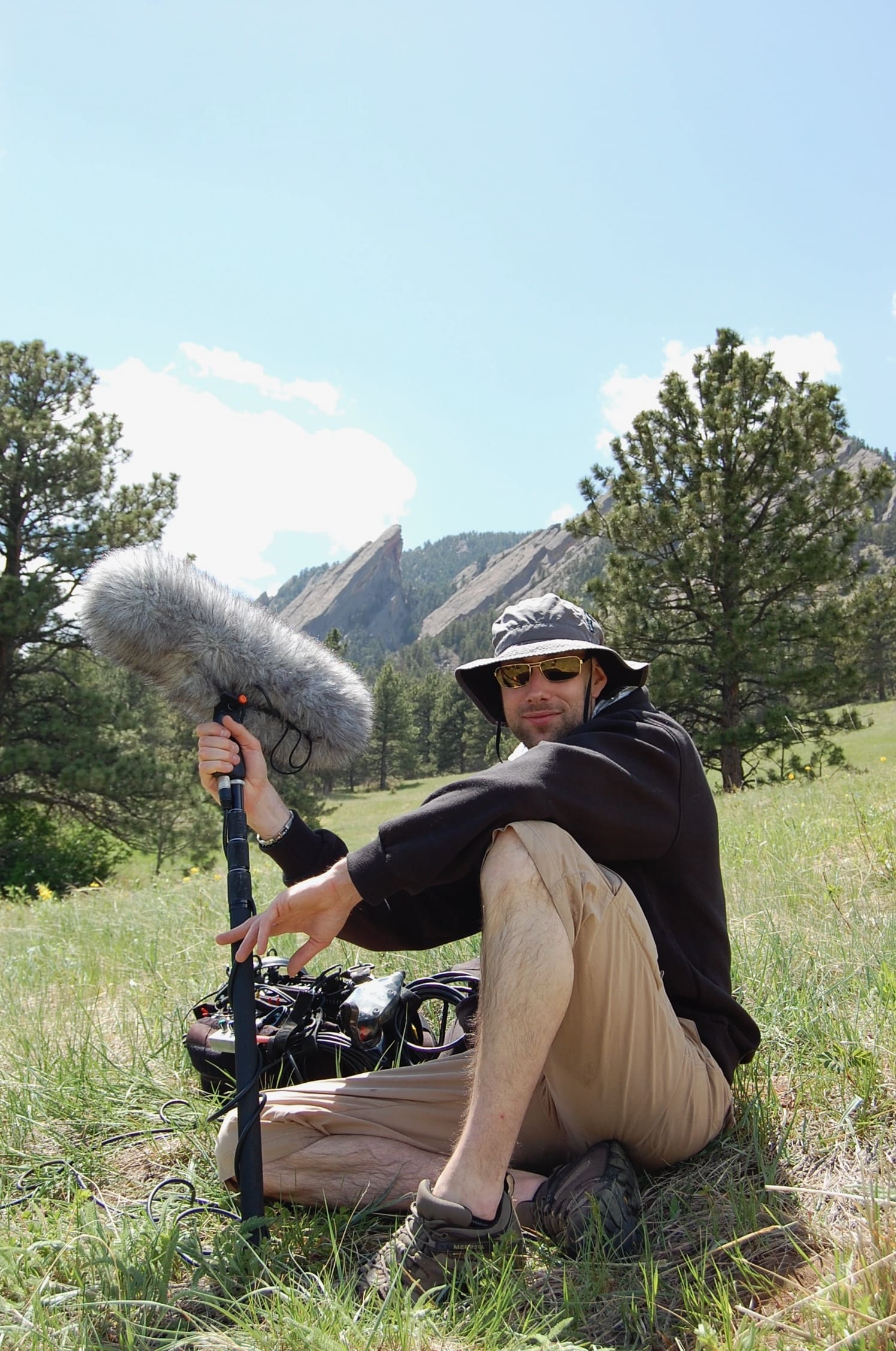
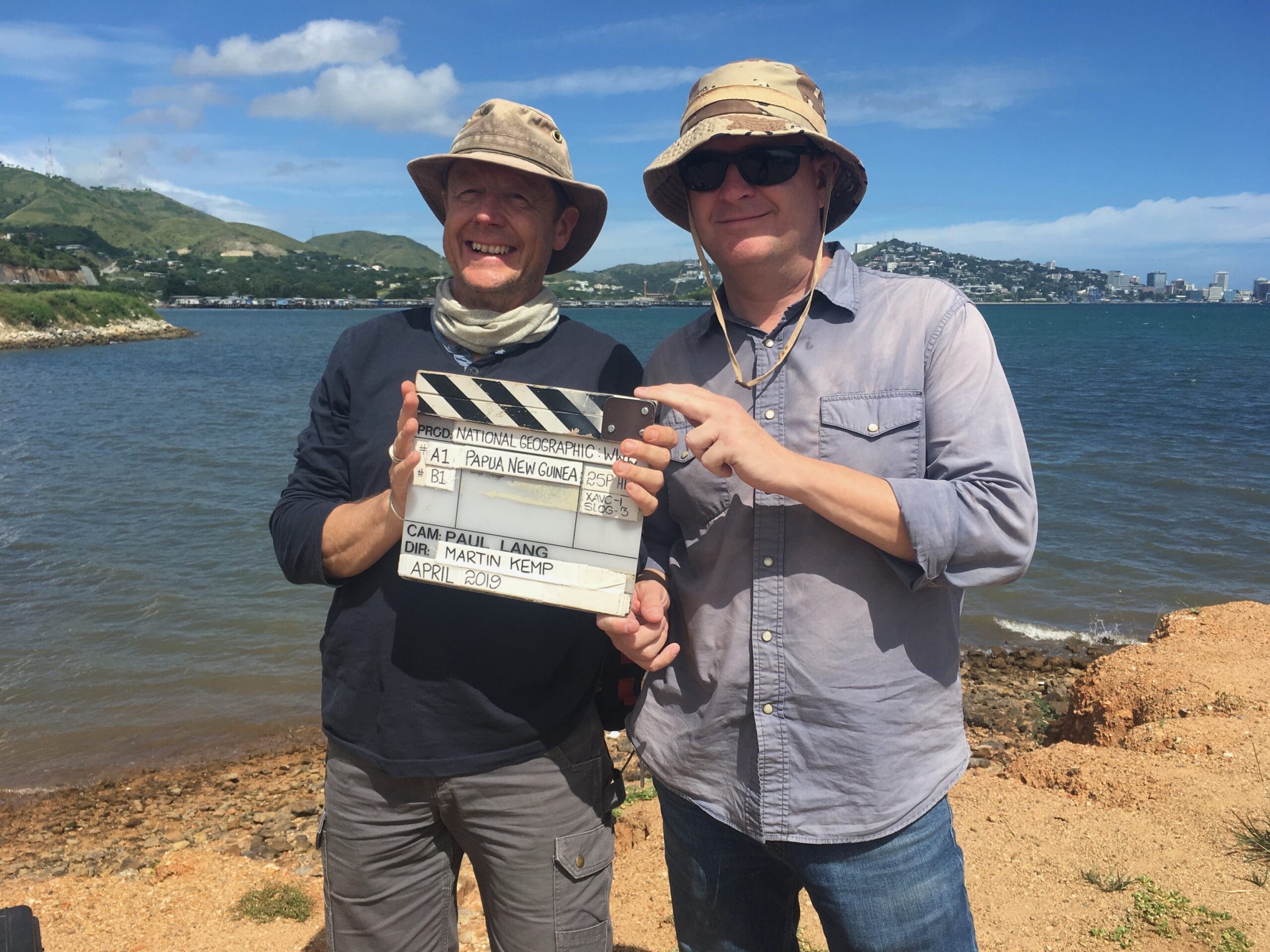
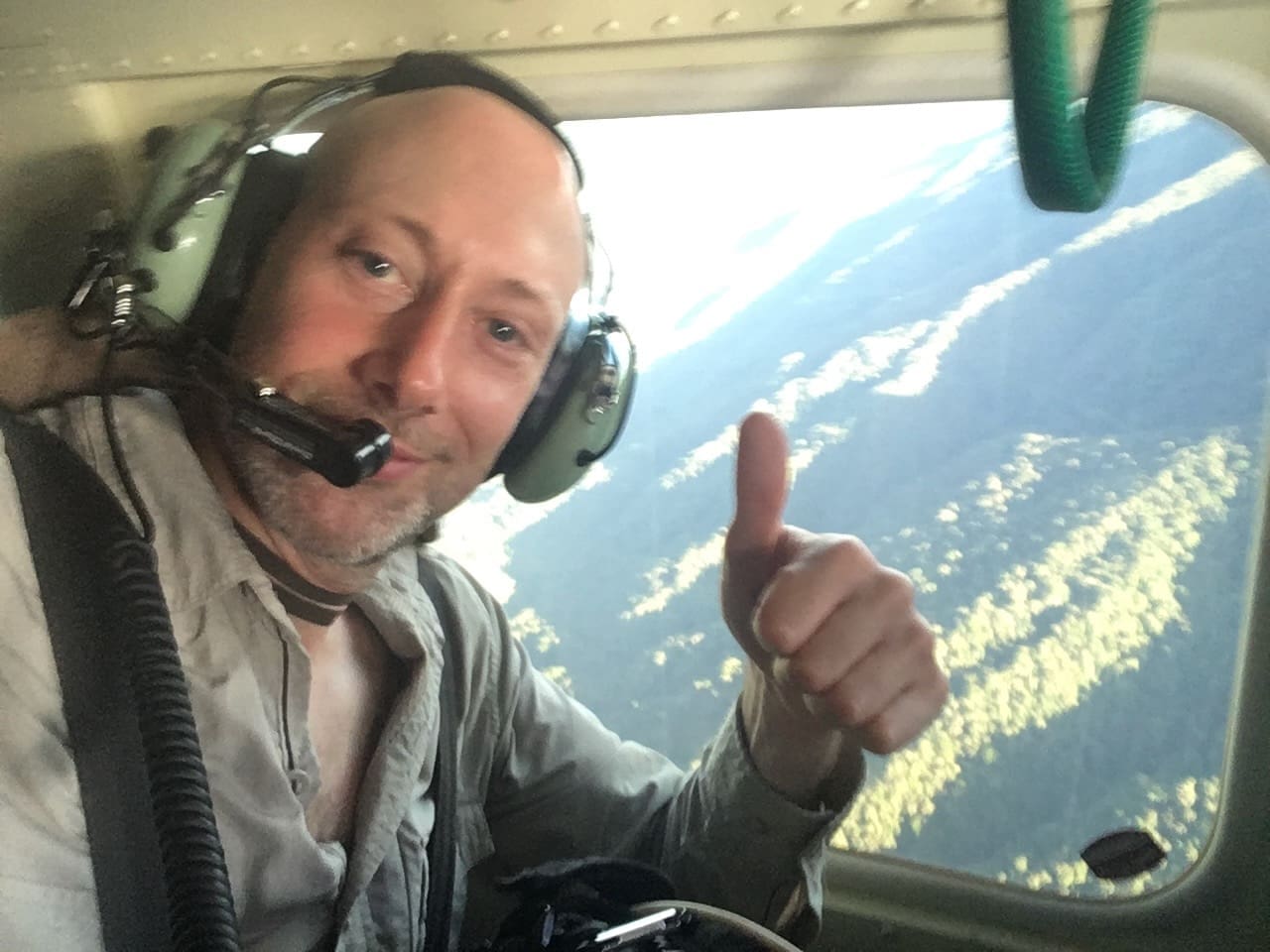
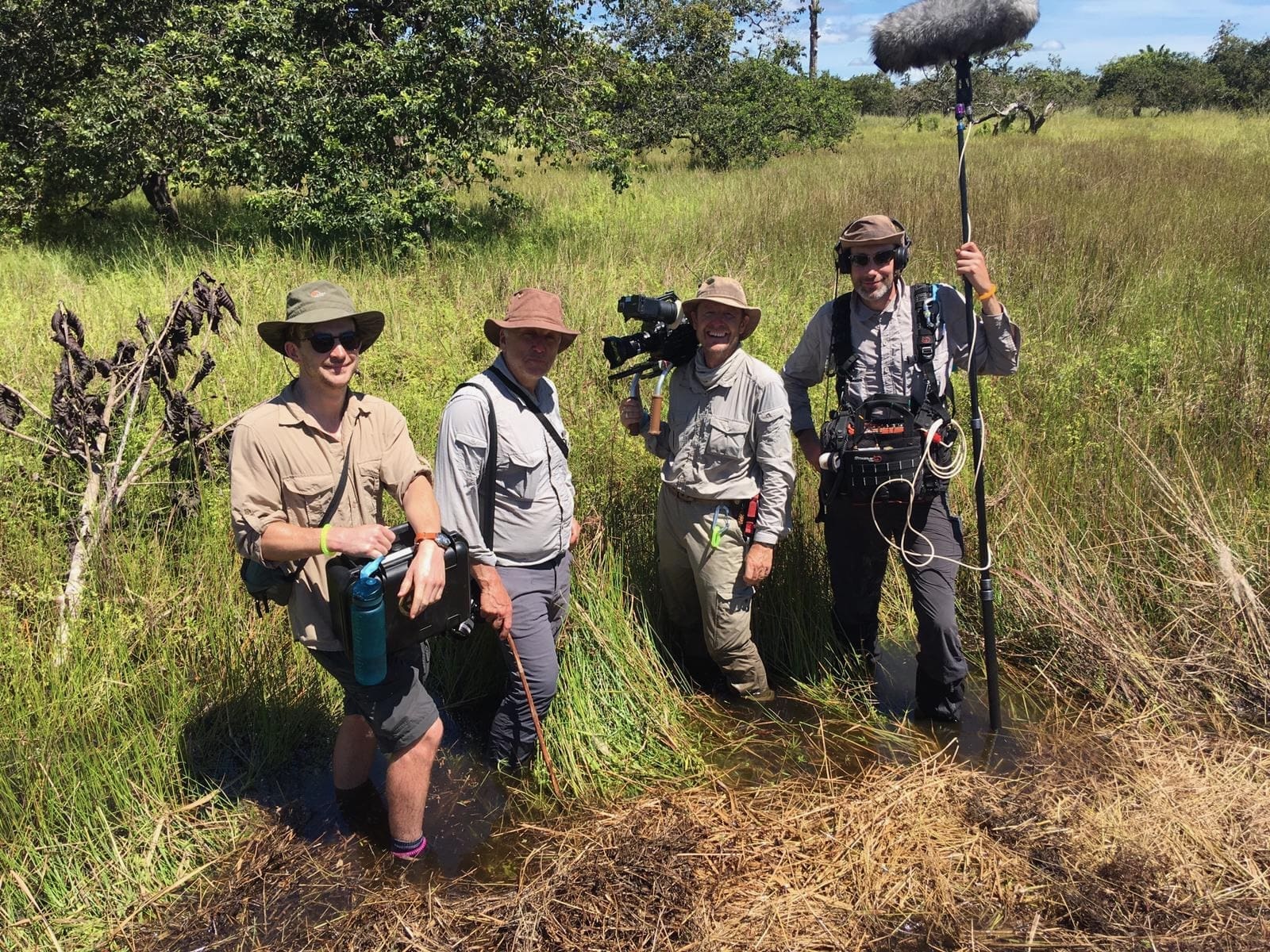
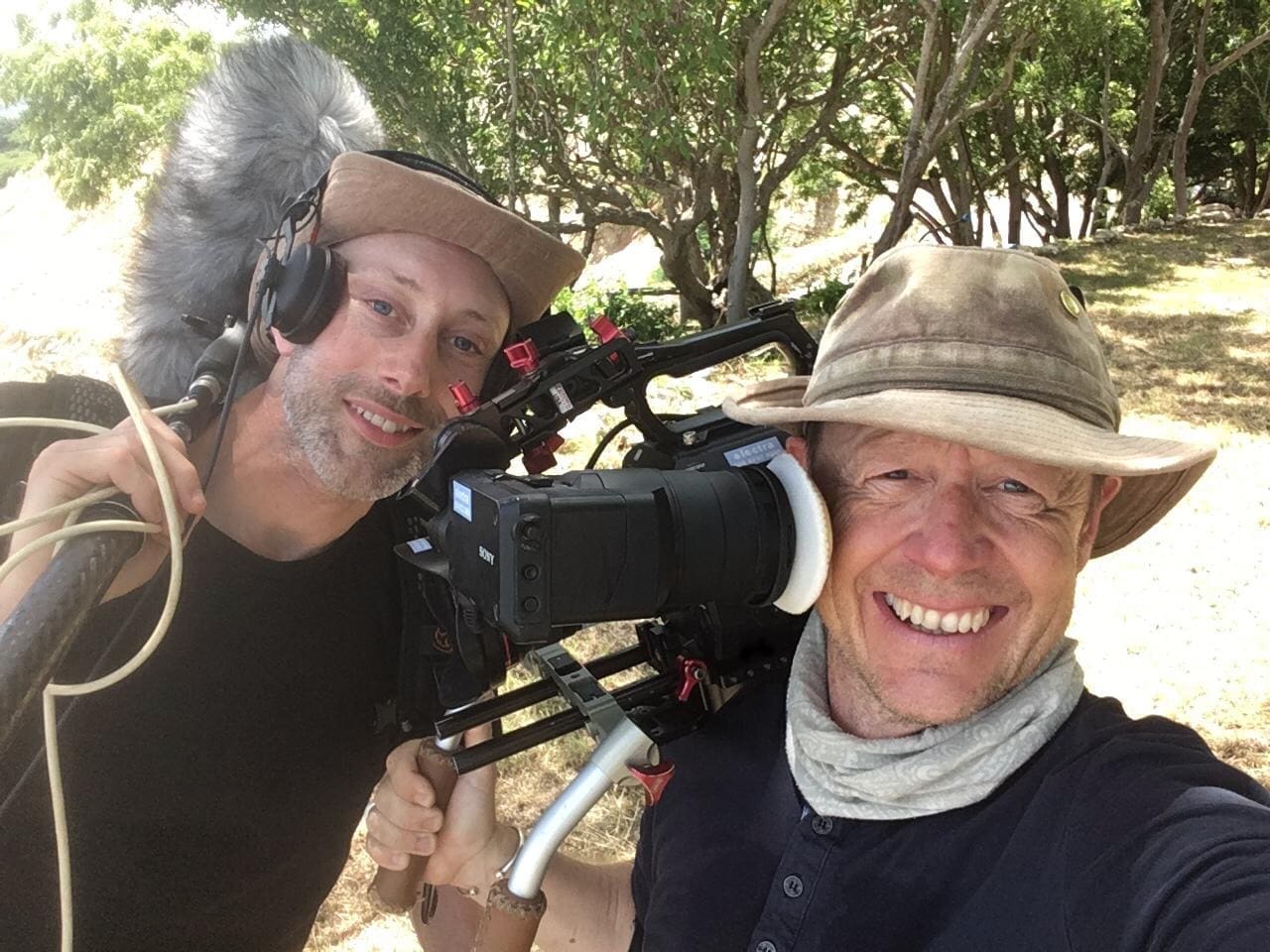
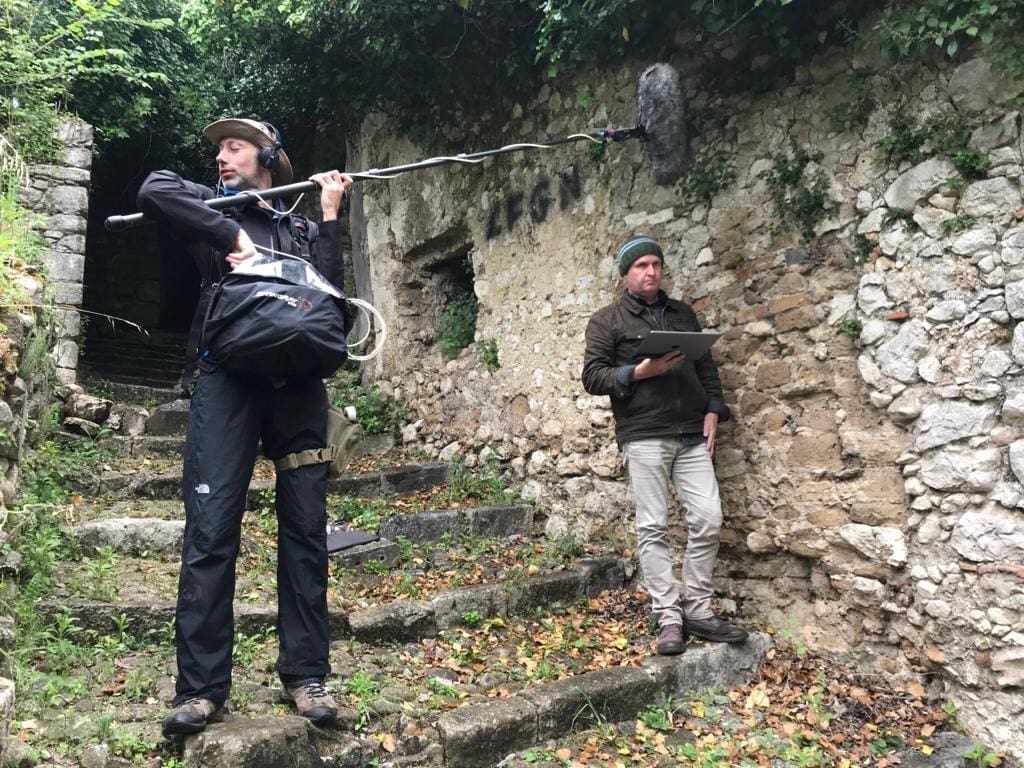
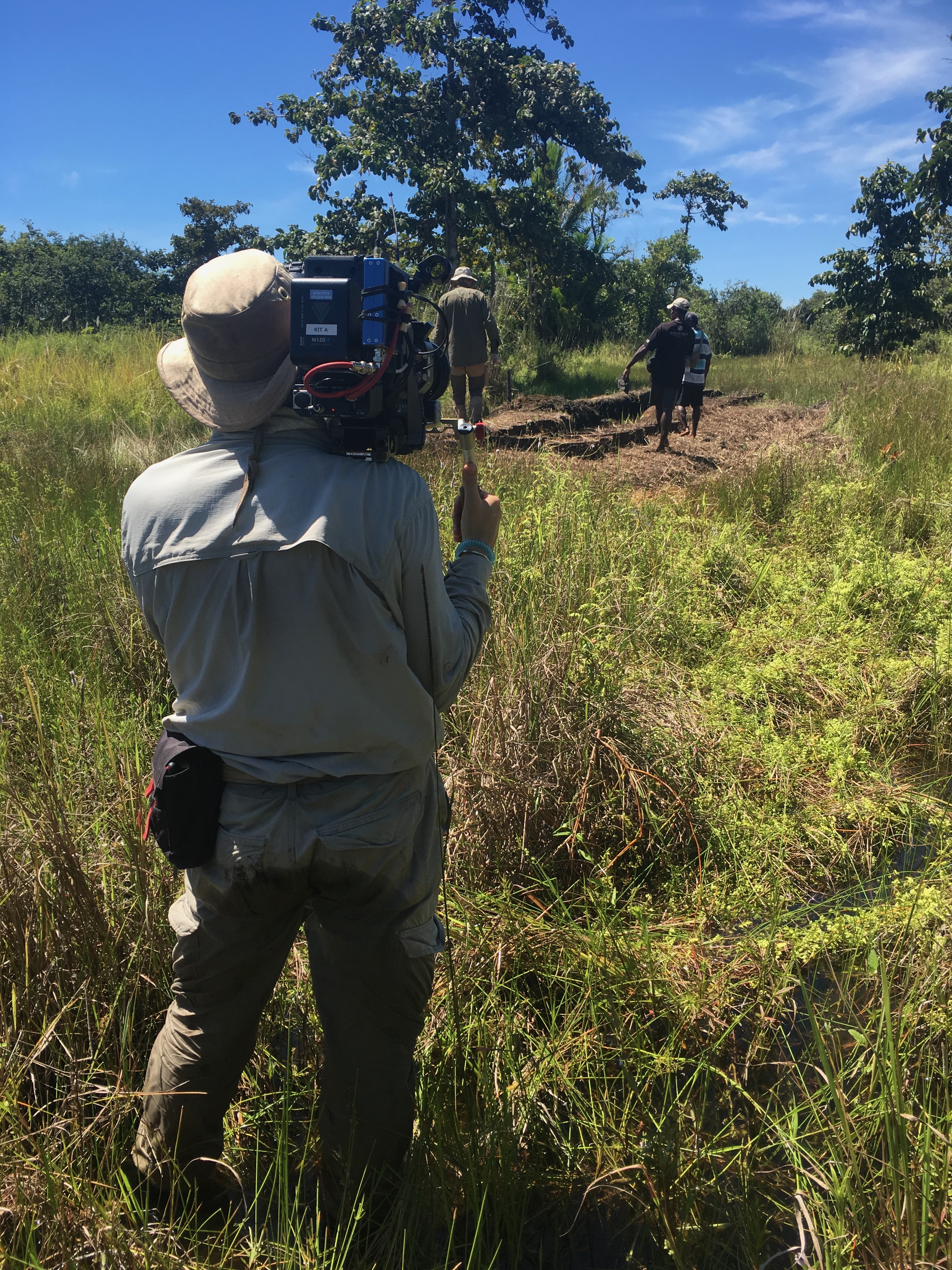
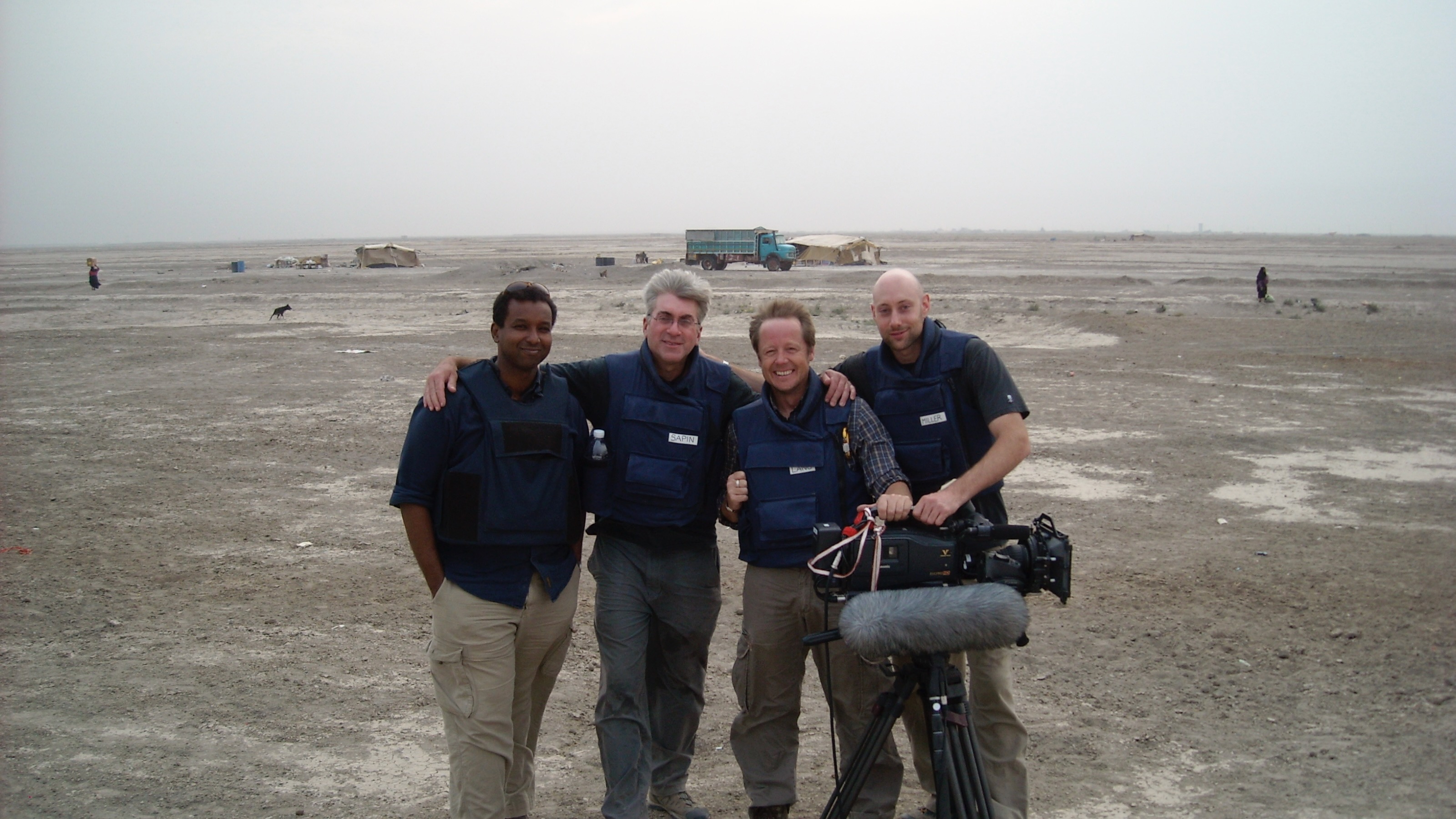
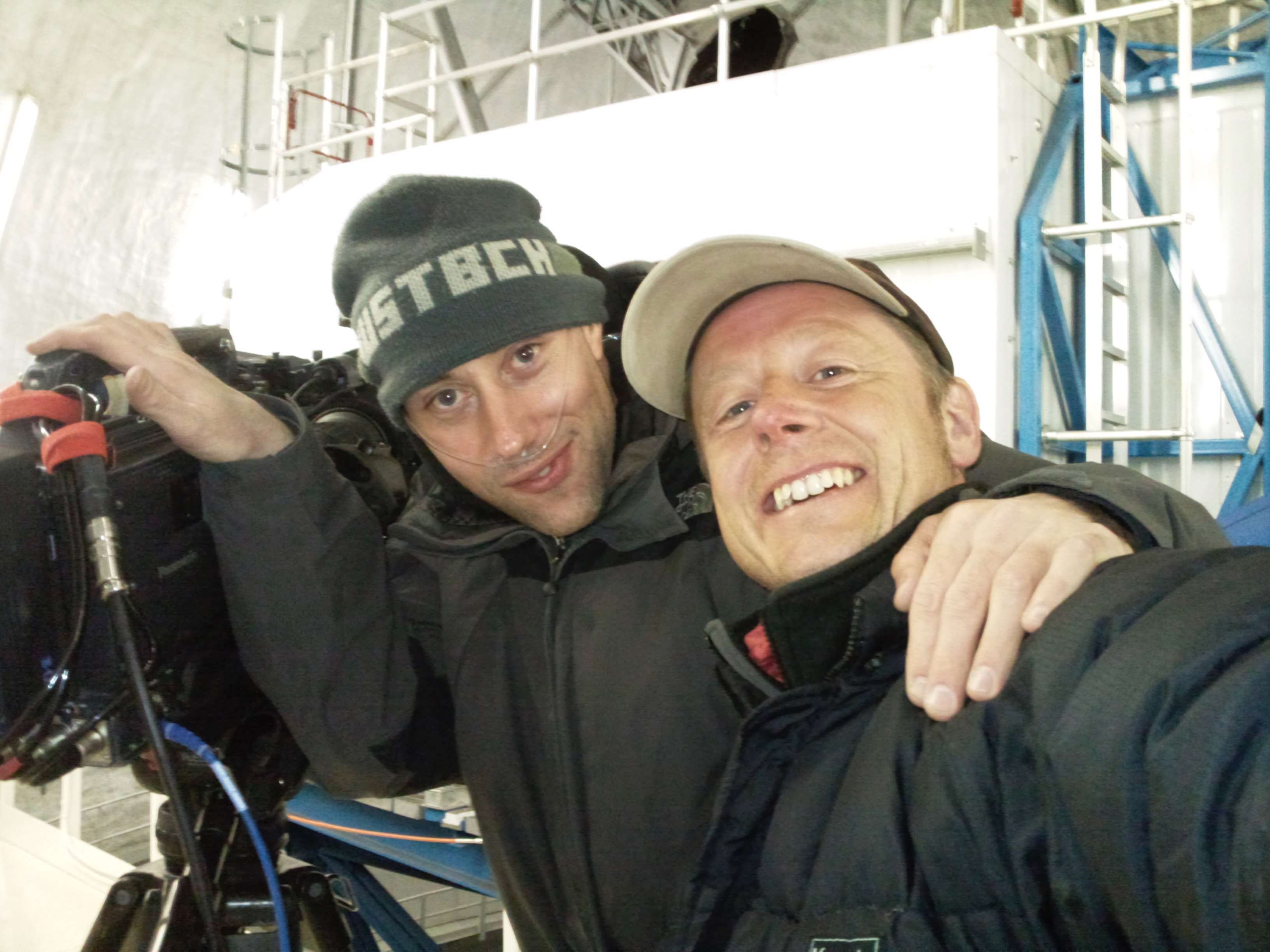
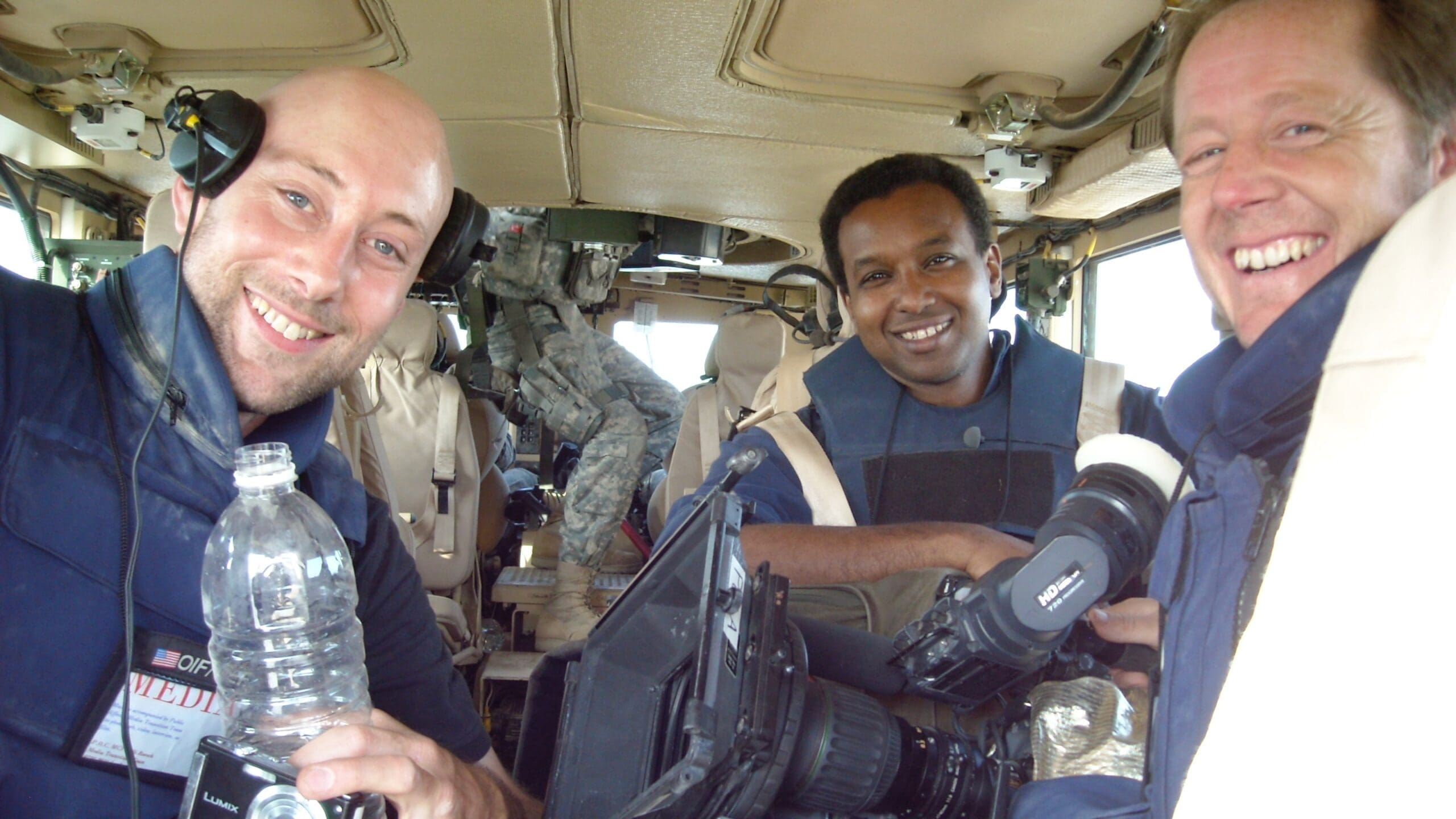
As a documentary sound recordist and mixer, I’ve journeyed throughout the human soul and the farthest reaches of the globe.
I’ve had the privilege of recording thousands of voices and sounds from diverse cultures—never once bored by the infinite potential of sound.
It creates moods, evokes emotion—whether drama, awe, joy, sadness, or peace—infusing life with a richness and depth words can barely describe.
Though I’ve traveled far, I’ve explored the world through sound itself. Like walking, hiking, diving, and climbing, I’ve used my hearing to traverse acoustic landscapes, feeling freedom not just in my mind, but in my entire being.
Without my ears, without my hearing, I’m bound to a flat, barren earth. They are as vital to me as moving my limbs.
As someone who thinks in words, it’s sound that breaks my overthinking, connects me to my emotions in ways logic can’t.
Sound has made me laugh hysterically, weep uncontrollably—every experience in life gains meaning through sound, even in silence, where it speaks volumes.
There is practically no place on earth without sound, no place without life. Where there’s life, there’s movement, and where there’s movement, there’s sound—no matter how faint it may seem.
This interplay between life, movement, and sound is inseparable. In some cultures, silence is linked with death, a stillness to transcend this earthly existence.
I can see why. To me, sound is not just a part of life; sound IS life, just as life IS sound.

But in 2023 my world imploded…
Deep down, I knew it was too loud the moment I stepped inside. The day before, I’d even thought about buying “party” earplugs—just in case.
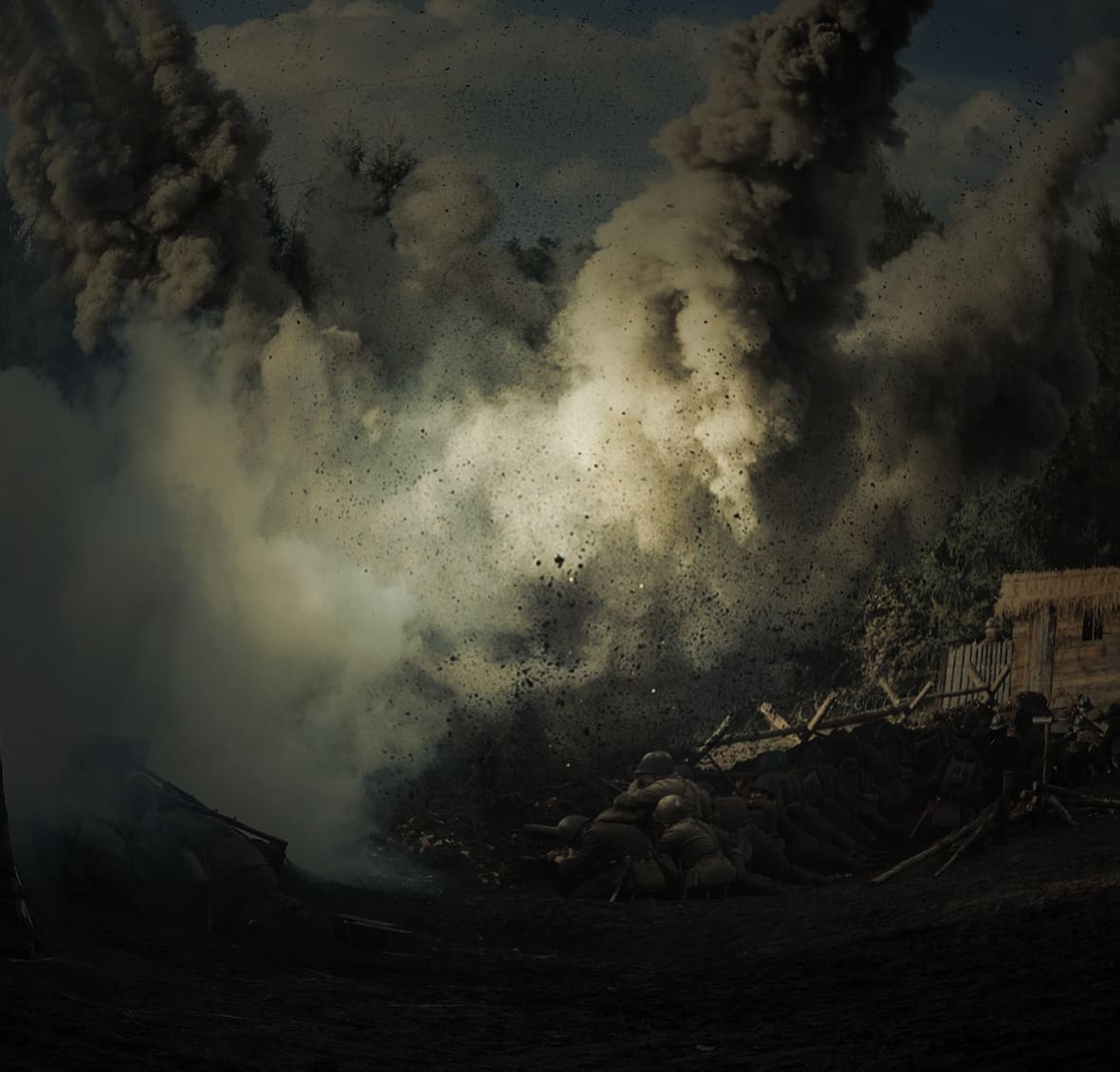
But it was my first gig in years, and I made excuses to stay:
“We’ve only just arrived.”
“It’d be a waste of £20.”
“It’s a charity gig for cancer relief.”
“What would my friends think?”
“My girlfriend would be disappointed.”
“Maybe, after COVID and years without gigs, I’m just overly sensitive, and it’s not really that loud?”
As I headed to the toilets, making my private concessions, I might as well have been pissing away the tiny sensory hair cells of my inner ears—those fragile miracles that had filled my life with warmth, richness, and a profound love of sound for 46 years.
I didn’t see anyone else wearing earplugs and convinced myself my perception was exaggerated. All the while, I was oblivious to the irreversible damage being done to one of my greatest gifts.
Everything changed...
Even the simplest activities became unbearable.

“Because of that one moment, sound transformed from my sanctuary into a violation”
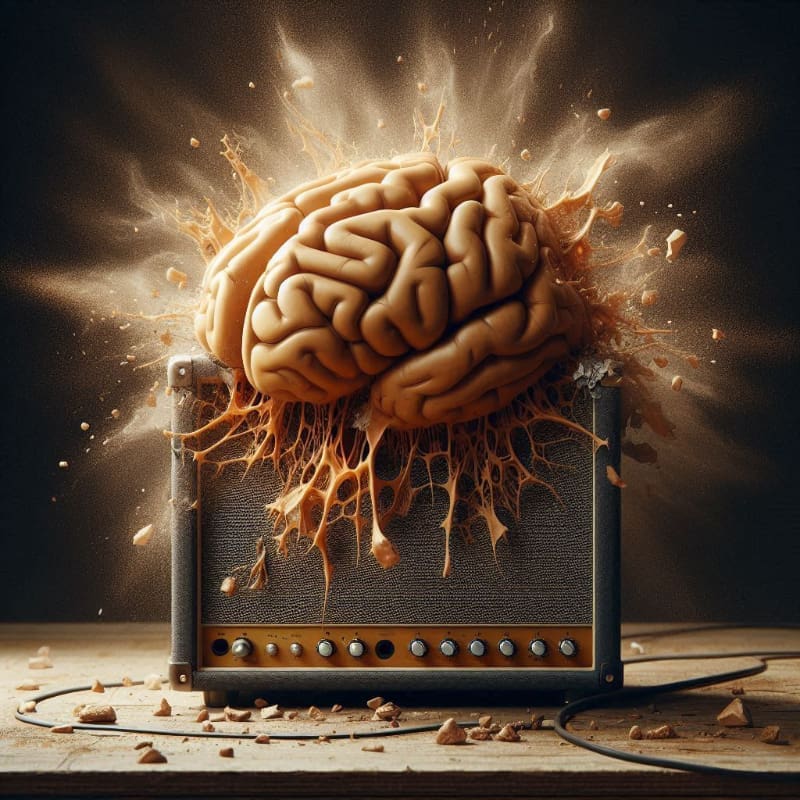
My brain felt broken, like an amplifier blown apart—its warm, rich tones evaporated, leaving a thin, flat, stark and diminished soundscape I couldn’t bear to traverse…
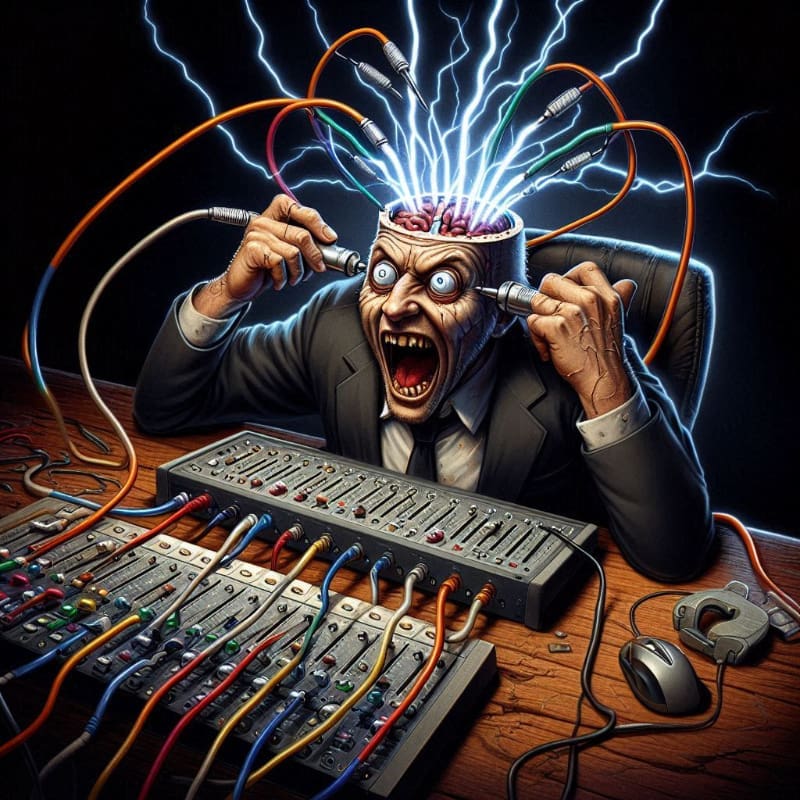
It felt as though some maniac had hacked into my head, rewired a graphic equalizer, and stripped away the lower frequencies in some twisted experiment. They’d messed with the faders—cut the bass, cranked the highs—and disappeared without a trace, leaving no explanation of why, how, or if I’d ever escape this sonic hell.
The Punch & Presence of Sound was Gone…
The delicate interplay between soft and loud—gone.
It was then I realized: sound had given me so much more than hearing—it allowed me to feel the fullness of life.
Now, my body felt distant, disconnected, like something vital had been erased.
I was disoriented, like my head didn’t know where it was in space, like I wasn’t really here.
It was as if an invisible wall now stood between me and the world I’d loved.
I was unplugged, disconnected from any sense of joy.
A part of my ears felt dead. But worse, the sounds I once loved—or at least accepted—now intruded sharply, piercing a peaceful mind I never knew I had.
Coughing, laughing, screaming children. Motorbikes, cars, leaf blowers, clattering crockery, jangling cutlery, crinkling bags, hand dryers, vacuums, clapping, even laughter. They all assaulted me relentlessly.
Even people’s voices sounded harsher—brittle, alien. I didn’t even recognize my own voice. It felt trapped inside my head, my words barely making it out.
I was desperate to adjust the sound mix of the world inside my head, to shape it the way I’d done throughout my career. But I couldn’t. It was stuck. I had no controls, no balance.
Everywhere I went, the world sounded aggressive, unforgiving.
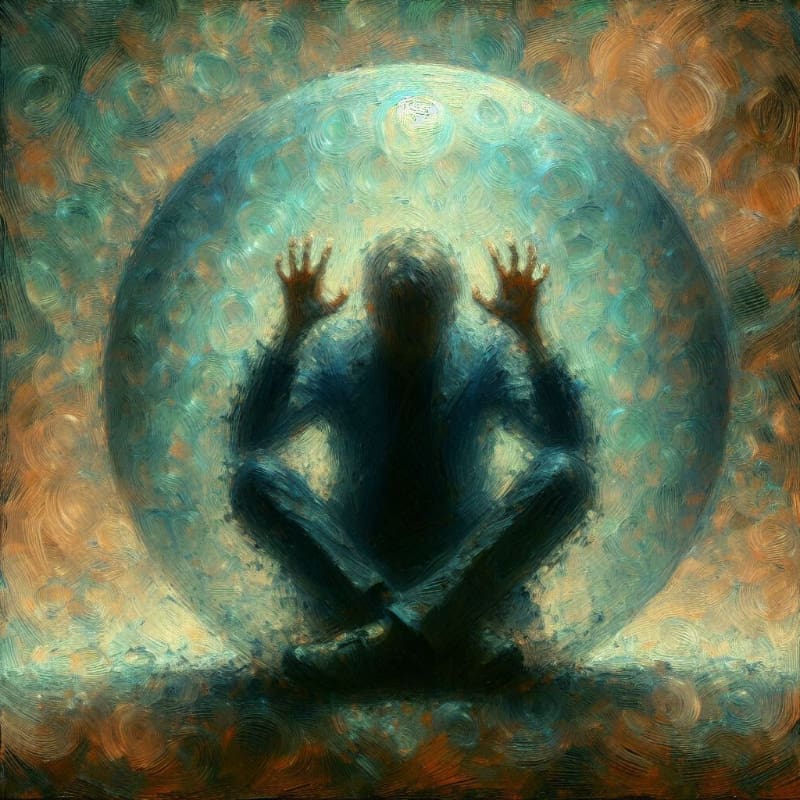
As night fell, the isolation of the day deepened, amplified by a high-pitched noise in my head—tinnitus. It sounded like an amplifier waiting for a guitar to plug in, and I was terrified it would stay forever—or worse, grow louder over time.
Between waves of fear, anger crept in. Anger at myself for exposing my ears to dangerous noise levels.
Agitation that despite all the health and safety regulations we’re forced to follow, nothing prevents this from happening. Extreme sound levels remain commonplace, especially in live music venues.
Since I was a teenager, one of my greatest fears had been losing my hearing.
Now, as the world around me distorted beyond recognition, I couldn’t believe I was being forced to face it.
A couple of weeks after the gig, I began to shrink.
I withdrew from friends.
I distanced myself from professional contacts.
Conversations became harder to follow, my concentration frayed.
Urban spaces felt unbearable—frightening, even.
I avoided restaurants, pubs, and cafés, where metallic clangs of cutlery and clattering crockery grated against my nerves.
Children squealing in delight, babies wailing, raucous laughter, and celebratory clapping—once joyous sounds—became sharp reminders of my loss, not just of sound, but of the life it carried.
I left the flat only for essentials: food shopping, 20-minute walks, or the occasional recording job.
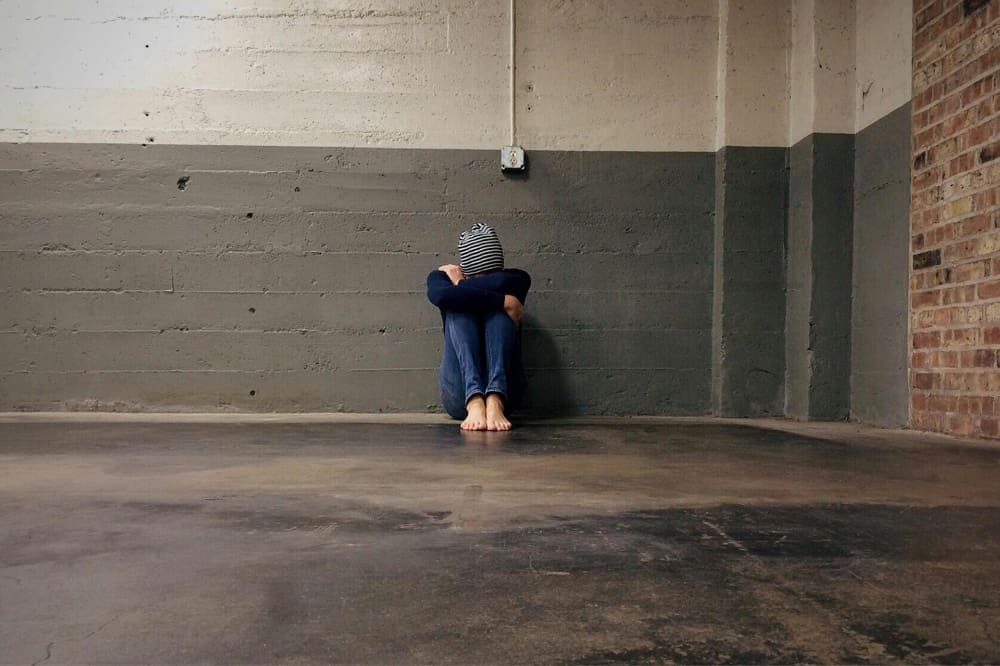
The outside world no longer interested me…
I carefully calculated every move, preemptively avoiding places where sound might assault me—crowds, traffic, parks where dogs barked.
The unpredictable creativity of sound, which had once thrilled me, now filled me with dread.
At work, recording sound, my brain felt battered by the end of the day, struggling to process an altered hearing profile, rewiring itself to adapt to what had been lost.
Every day, I woke up scared—scared to confront the cruel, distorted world I now inhabited.
Sound, once my sanctuary, had become a tormentor, shattering the realm where I had always found peace and pleasure.
Even at home, I couldn’t escape it.
The shower, the kettle boiling, flushing the toilet, or washing dishes overwhelmed me.
I wore ear defenders just to put cutlery and plates away.
Part of me wanted to live in those ear defenders forever.
Another part desperately longed to reconnect with the world I had loved.
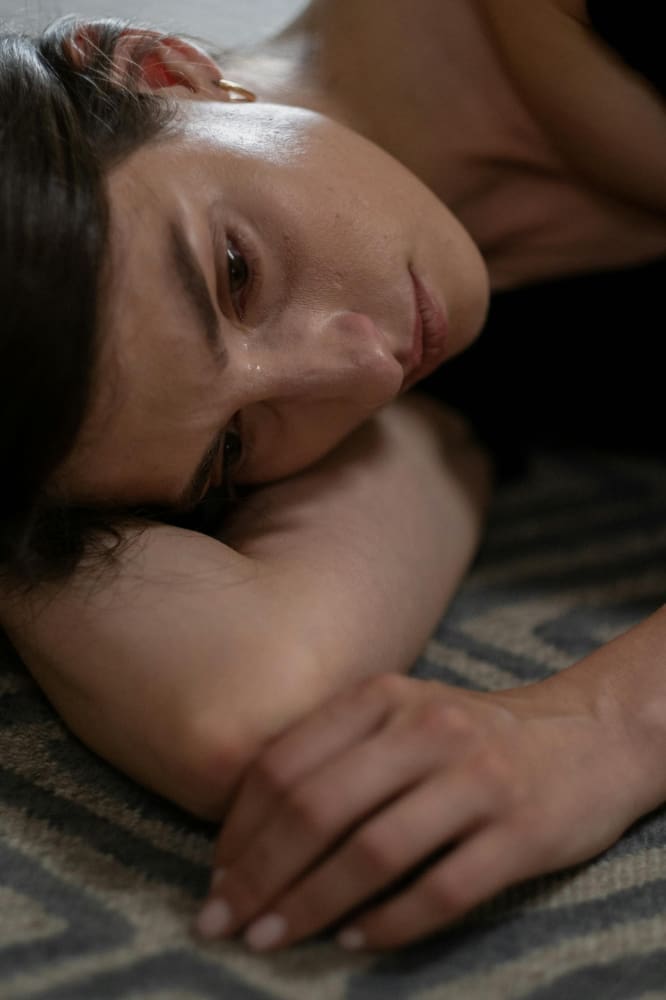
Heartbroken and lost, I questioned if I could ever continue as a sound recordist.
The irony felt cruel—a soundman, now fearful of sound.
Medical tests offered no answers, only the hollow reassurance of “normal” results.
But my gut knew the truth: I had broken something that couldn’t be fixed.
For months, I couldn’t share my story. I feared the disappointment of being unheard, dismissed. And when I finally opened up, many reactions confirmed my fears—my invisible injury felt unseen, my suffering invalidated.
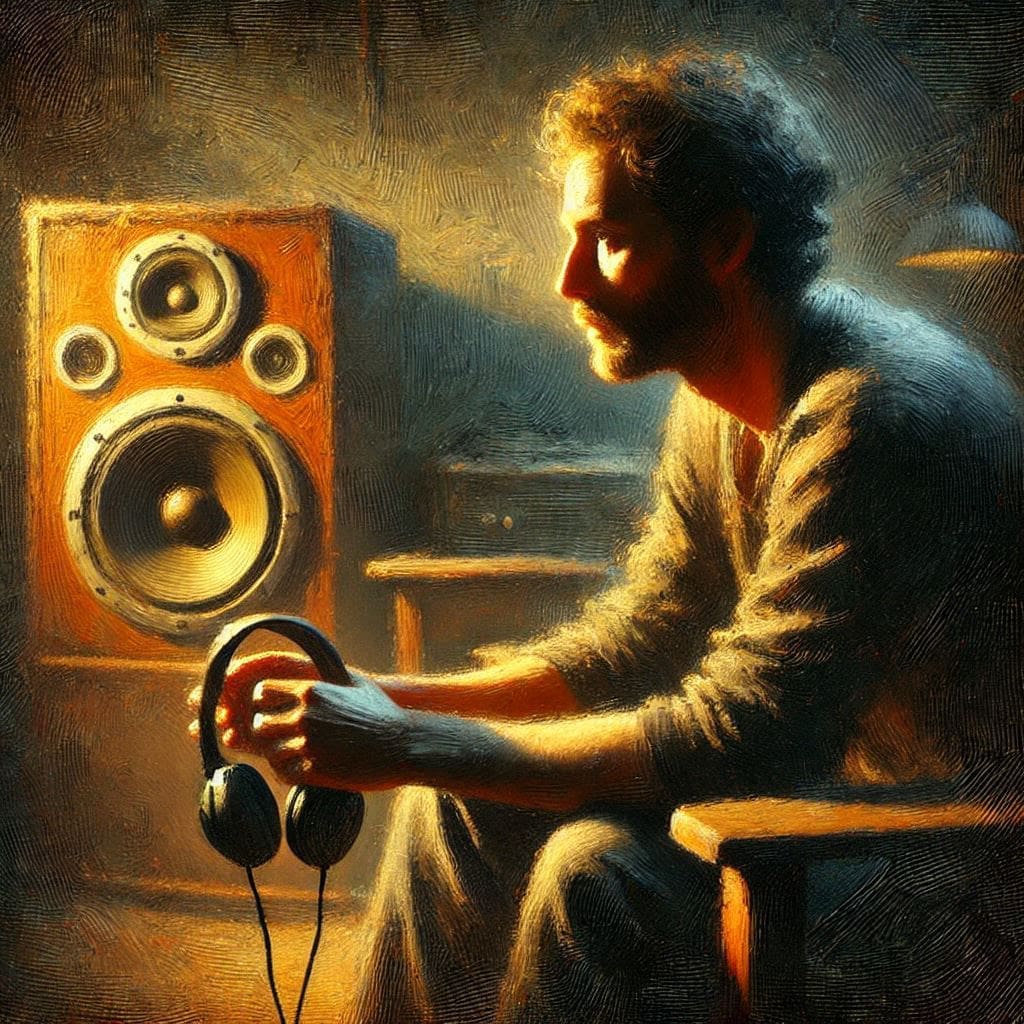
It took 15 months before I could navigate most everyday environments with relative ease.
Even now, joy in sound feels elusive. Sounds that once delighted and fascinated me can sometimes irritate or overwhelm.
I miss the energy, the excitement.
I want to sing, shout, and dance with my nephews, to make weird noises and raise the energy higher and higher.
Instead, I shy away, trying to keep things quiet—inside myself, inside the room.
When that fails, sometimes I leave.
I feel old before my time, like a grandad unable to handle the vibrancy of youth.
I’m 46, not 86!
It’s too soon. It’s too abrupt.
I’m not ready for this.
And the most crushing loss? Music.
Music had been my guiding force, my sanctuary through every high and low.
It energized me when I was tired, inspired me when I was unmotivated, comforted me when I was sad.
Now, I still struggle to enjoy it fully.
Warmth and drama have disappeared from the notes, replaced by an emptiness I can’t reconcile.
Even the melodies I used to carry in my head, playing endlessly in my private symphony, have vanished.
Road trips, once fuelled by music as my ally, now feel hollow.
I’ve tried to reconnect, but music played through most basic domestic audio systems simply lacks the former depth, clarity or balance I’ve enjoyed all my life.
I loved bass with all my heart—the way it moved me, the way it felt…
…Without it, the world sounds more hollow. Worse, it’s felt hollow. At times, I’ve felt hollow.
Perhaps the most disturbing realization was my powerlessness—there was nothing I could do to fix this.
But as I sat with my thoughts, I discovered something extraordinary:
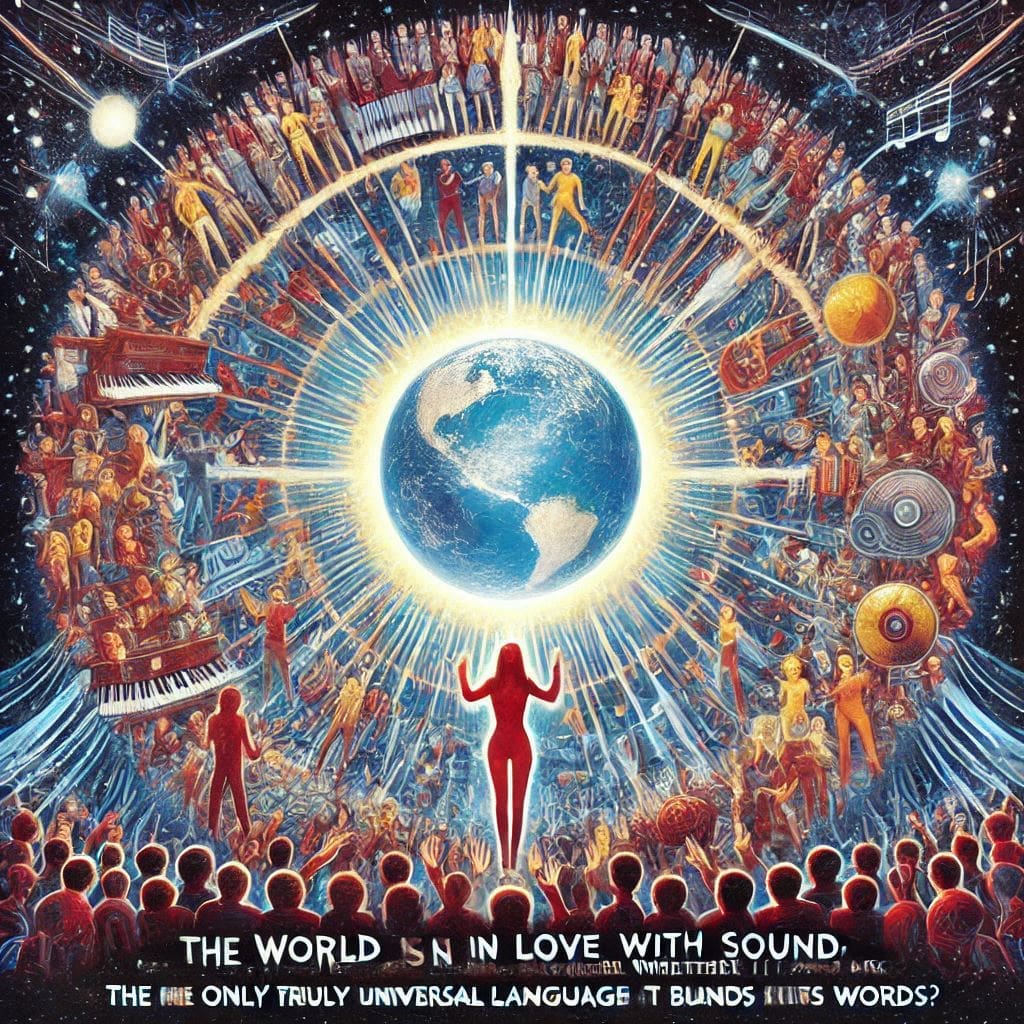
The world is in love with sound, whether it knows it or not.
Sonic blood binds us all.
Music-the only truly universal language that transcends words.
…And then, I had the realisation that changed everything…
For all the wonder and depth that hearing brings to life—for all the music, conversation, and meaning carried through sound—the fight to restore it has never had the full weight of society behind it. There have always been pockets of dedicated researchers, advocates, and individuals working tirelessly, but never a unified, global effort spanning industries, governments, and the very sectors that profit most from the gift of hearing.
The entertainment industry thrives on sound. Big tech innovates in audio. Governments fund breakthroughs in countless areas of medicine. Yet hearing loss—one of the most widespread and life-altering conditions—remains an afterthought. How had we allowed this? How had we accepted the slow fade to silence or the piercing shrill of tinnitus as something inevitable, rather than a problem that must and will be solved?
That’s why I created the Hearing Regeneration Alliance—to change this. To unite the sectors of society that have never worked together on this issue. To demand the funding, the urgency, and the breakthroughs that will one day make hearing loss and all auditory disorders reversible.
Because hearing isn’t just a sense. It’s the foundation of connection, art, safety, and joy. And we cannot—will not—allow it to slip away without a fight.
How Do I live Now?
Experiencing acoustic trauma has been the most challenging ordeal of my life. The psychological toll has been profound—not just because of the initial shock, but because my relationship with sound has always been central to my identity, my love of life, and my career. Crafting audio with precision has never been just a job; it’s been a passion, an art, and an extension of how I experience the world. To suddenly have that threatened was destabilising in a way I could never have imagined.
Sound recordists and engineers are known for loving kit. They often obsess about the latest technologies in the pursuit of acoustic perfection. I’ve never been as focused on this element, preferring instead to maximise my craft through the already brilliant technology I have. But I was always very particular about looking after my kit on the road—I remember being hyper-focused on protecting the aerials in my sound mixer bag. Looking back, it’s incredible to realise even more starkly that I’ve been carrying around 30,000 “aerials” in my inner ears (approximately 15,000 per ear)—the delicate hair cells in the cochlea that are responsible for converting sound vibrations into electrical signals for the brain to interpret. These microscopic cells are the true gatekeepers of sound, allowing us to distinguish pitch, volume, and texture with astonishing accuracy. Unlike the aerials on my mixer, once damaged, they cannot be repaired or replaced.
And yet, despite the depth of this challenge, medical assessments have consistently deemed my hearing to be within normal limits. That disconnect—the contrast between what’s measurable on a test and what’s lived in reality—has been one of the hardest aspects to reconcile.
Thankfully, my tinnitus has disappeared, and my hyperacusis has faded. But certain sounds still strike me as jarring in ways I wouldn’t have noticed before. Even so, I continue to work professionally in sound recording for television—an achievement that has deepened my appreciation for the craft. My relationship with sound has changed, but my ability to capture it with precision and care remains as strong as ever.
What I’ve learned is astounding. I don’t believe it’s possible to fully understand unless you’ve experienced it yourself. There’s a reason certain conditions are considered “invisible”—and this is one of them.
After being assessed by both NHS audiologists and one of the world’s leading private audiologists, I was told my hearing is “normal.” That means my ability to detect frequencies across the spectrum falls within standard thresholds for my age. But what no one prepares you for is how destabilising it is when the relative balance of these frequencies is altered. It changes the way the entire world sounds—no matter how “normal” the audiogram suggests my hearing is. And humans do not handle abrupt change well.
My brain has adapted to this altered input, but it took nearly a year and a half. During that time, the world sounded incredibly strange. And yet, none of this was accounted for in the label of “normal.” This tells me two things:
1. Acoustic trauma—or any change in hearing—is far more disorienting than I ever imagined. It impacts not just hearing, but one’s sense of mind, body, and reality all at once.
2. There is a huge disconnect between medical definitions of “normal” hearing and the lived experience of those suffering. The medical establishment relies on rigid metrics, failing to grasp how profoundly these changes affect a person.
What astounded me even more was the complete lack of mainstream awareness. I had never, in all my life, seen or heard a serious discussion about just how crippling hearing issues can be—whether it’s hearing loss, hyperacusis, tinnitus, or vestibular disorders. It’s as if the full impact of these conditions is both normalised and kept in the dark at the same time.
I was also struck by the lack of dedicated support for those who suffer acoustic trauma or sudden hearing loss. Organisations like RNID exist, but there’s no urgent, direct outreach—no clear message like: “Have you suffered an acoustic trauma? Contact us now for support!”
Then, I realised something else: our culture operates under the false assumption that everyone hears the same way. This becomes obvious in how products are marketed. For example, headphones are advertised as providing “bass you can feel, not just hear”—as if that experience is universal. But if someone’s hearing profile lacks strong bass perception, they won’t feel it at all. This simple truth is rarely acknowledged.
Before my experience, I had never even heard of hyperacusis. I had no idea how much suffering it causes. The same goes for tinnitus.
Another hard lesson: technical knowledge of sound means nothing if you can’t hear and appreciate it properly. In the sound world, people obsess over equipment—preamps, microphones, frequency response charts—without fully grasping that all of it would be useless without the exquisite acoustic architecture of the human auditory system and the brain’s processing power.
Through this experience, I’ve learned that my greatest strength as a sound professional isn’t just my technical ability—it’s my attention to detail and my deep, instinctive way of listening. If anything, this journey has made me more attuned to the subtleties of sound than ever before. I realised that truly great sound work isn’t just about knowing everything—it’s about loving sound from the heart.
One of the most eye-opening revelations from this experience was just how widespread hearing disorders are across the globe. In fact, hearing loss, tinnitus, hyperacusis, and other auditory issues affect millions of people, many of whom suffer in silence without adequate support or even proper diagnosis. Some people may not even recognize their own hearing impairment, especially when it comes to issues like subtle tinnitus or mild hyperacusis, which can gradually creep in and alter perception without a noticeable outward change. As I’ve researched more and delved into conversations with others, it’s become increasingly clear that a significant number of people are living with some form of hearing compromise—even if they don’t fully understand or acknowledge it.
Another profound revelation from my experience with hyperacusis—and from engaging with those who suffer from its most extreme forms—is just how crucial a functioning auditory system is to the ability to live and function at all. No amount of resilience, strength, or determination can override the sheer, unrelenting torment of severe hyperacusis. It does not discriminate—whether you’re a powerful politician, an elite athlete, or a Royal Navy Marine, if you have the misfortune of developing this condition at its worst, you cannot simply “tough it out.” It can strip away every aspect of your life, leaving you utterly powerless. Through the course of my investigations, I’ve come to learn that many, unable to endure the suffering, have taken their own lives.
What struck me most was how often hearing difficulties are overlooked, both by individuals who experience them and by the medical community at large. Many live with these conditions without ever seeking help, or worse, are told they are “normal” when the very nature of their experiences suggests otherwise. It’s a reminder that hearing loss, along with other auditory disorders like tinnitus, hyperacusis, and even subtle changes in sound perception, doesn’t always look the way we expect it to. These conditions can affect people in vastly different ways, from discomfort with loud sounds to a gradual inability to appreciate certain frequencies. The impact isn’t always visible, and it’s often misunderstood or dismissed.
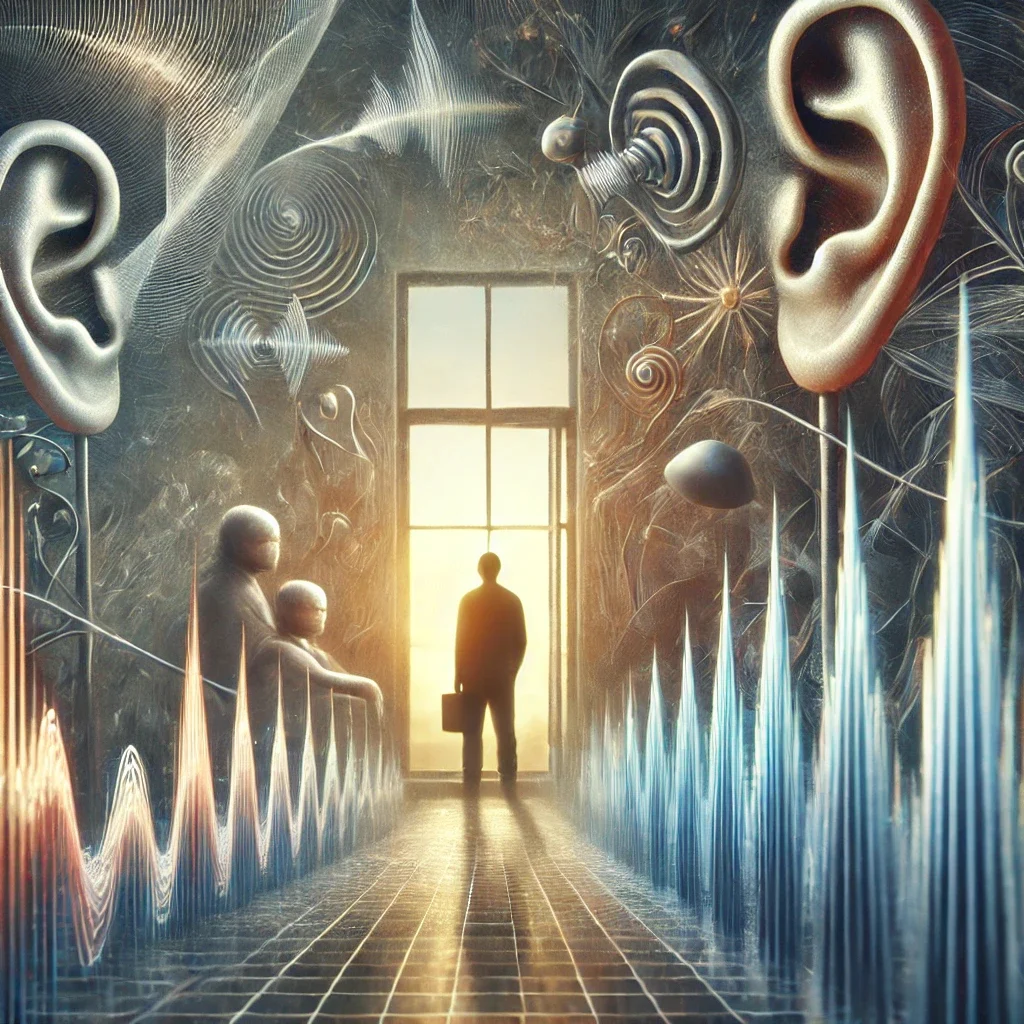
The stigma and lack of awareness surrounding hearing disorders often prevent people from seeking help, leaving them to navigate a world of sound that is gradually becoming harder to process. The staggering reality is that nearly a quarter of the world’s population experiences some form of auditory compromise. Whether it’s hearing loss, tinnitus, or sensitivity to sound, these issues are far more common than many realize—and yet, they’re often ignored or left unaddressed. This highlights the urgent need for more widespread awareness and support systems for those affected. It also shows how essential it is to redefine what “normal” hearing is, acknowledging the vast spectrum of auditory experiences people live with.
It’s also why I’m so passionate about the work I’m doing with the Hearing Regeneration Alliance. The more we shine a light on these issues, the more we realize just how many lives could be improved if only people had access to proper resources, education, and support. My own journey has reaffirmed the importance of breaking down the stigma and encouraging open dialogue about hearing disorders. It’s made me realize that I still have the luxury to work with sound professionally, while many are struggling to function as a result of their hearing disorders. This has deepened my commitment to pushing for hearing regeneration through frontier biological science. The more we understand about the complexity of hearing, the more we can help those affected, providing them with hope, solutions, and a chance to reclaim a vital part of their lives.
Life
movement
and sound
are inseparable
sound is life
just as life is sound